
Understanding the psychology behind gambling behavior in casinos
The Allure of Gambling
Gambling in casinos has long captivated individuals, drawing them in with the promise of excitement, thrill, and the potential for substantial rewards. This allure taps deeply into human psychology, as many are motivated by the prospect of a life-changing windfall. The combination of bright lights, engaging sounds, and the buzz of activity fosters an environment that stimulates the senses, creating a unique atmosphere that is hard to resist. This psychological engagement often leads players to underestimate the odds they are facing, which is evident on platforms like https://casino123.com.
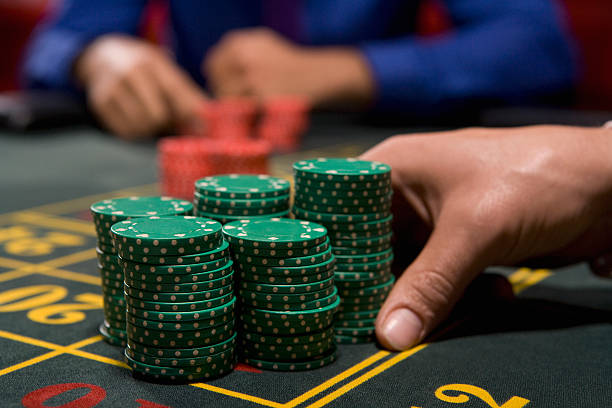
The psychological draw of gambling is also linked to the concept of escapism. Many individuals use casinos as a means to escape the stresses of everyday life, viewing gambling as a form of entertainment rather than a risk. This escape can create a sense of euphoria, heightening the experience and encouraging players to continue betting. The interplay between anticipation and immediate gratification keeps players returning for more, despite the inherent risks involved.
Moreover, the social aspect of gambling cannot be overlooked. Casinos serve as venues for social interactions, where players share experiences, engage in conversation, and celebrate wins together. This communal aspect can reinforce gambling behavior, as individuals may feel validated or encouraged by their peers. Therefore, the psychology behind gambling behavior is a complex blend of attraction, escapism, and socialization that keeps players engaged.
Luck Versus Skill in Gambling
One of the most debated topics in the gambling community is the balance between luck and skill. In games like poker, skill plays a significant role, as players must make strategic decisions, read their opponents, and manage their resources effectively. However, even skilled players face elements of chance that can dramatically affect outcomes. This interplay creates a psychological tension, leading players to believe they can control their fate, despite the odds being inherently stacked against them.
Conversely, in games of pure chance, such as slots or roulette, luck dominates, and players often have little control over their success. This randomness can lead to a phenomenon known as “gambling fallacy,” where individuals believe past outcomes influence future events. For example, if a slot machine has not paid out recently, players may feel it is “due” for a win. This misunderstanding of probability can significantly impact their gambling behavior, leading to increased wagering as they chase perceived luck.
The belief in luck can be enhanced by cognitive biases such as the illusion of control, where individuals feel they have more influence over outcomes than they actually do. This psychological phenomenon encourages players to engage in riskier behavior, often leading them deeper into gambling. Thus, the balance of luck and skill plays a crucial role in shaping gambling behavior, where the perception of control can drive both enthusiasm and reckless decision-making.
The Role of Rewards and Reinforcement
In the realm of gambling, the reward system plays a vital role in shaping behavior. Casinos design their games to maximize the potential for wins, creating a sense of excitement that is often reinforced by immediate feedback. This can lead to a cycle of behavior where small wins encourage players to continue betting. The unpredictability of when a win will occur also fosters excitement, as players experience a rush of dopamine when they do hit a jackpot, reinforcing the desire to gamble further.
The concept of intermittent reinforcement is particularly relevant in gambling psychology. Unlike consistent rewards, intermittent reinforcement creates a more powerful response, as players cannot predict when they will win. This unpredictability keeps players engaged, as the anticipation of a potential win can be just as thrilling as the win itself. As a result, players may find themselves spending more time and money in pursuit of these elusive rewards, often ignoring their financial limitations.
Moreover, casinos often employ loyalty programs that reward frequent players with perks and bonuses. These incentives tap into the psychology of commitment and consistency, encouraging players to return and continue their gambling behavior. By creating a sense of belonging and reward, casinos amplify the desire to engage in gambling activities, often leading players to prioritize their gambling over other responsibilities or interests.
The Impact of Environment and Design
The design of a casino plays a significant role in influencing gambling behavior. From the moment players enter, they are enveloped in a carefully crafted environment that stimulates their senses and encourages them to play. Bright lights, engaging sounds, and vibrant colors create an atmosphere of excitement and thrill. Additionally, casinos often lack clocks and windows, which can distort the perception of time, causing players to lose track of how long they have been gambling.
The layout of games is also intentional, guiding players toward high-traffic areas where they are likely to engage with others. This design encourages social interaction, creating a bustling atmosphere that can heighten the excitement of gambling. Moreover, the proximity of different types of games allows players to transition seamlessly from one activity to another, often prolonging their time in the casino and increasing their spending.
Furthermore, the psychological impact of signage and marketing within casinos cannot be ignored. Promotions, jackpots, and visuals create a sense of urgency, prompting players to act quickly and wager more. The environment is designed not only to entertain but to keep players engaged for as long as possible, ultimately reinforcing their gambling behavior. Through these design choices, casinos effectively manipulate player experience to foster a culture of continuous gambling.

Casino123.com: A Hub for Gamblers
Casino123.com serves as an engaging platform for both novice and seasoned gamblers, offering a comprehensive gaming experience. With a diverse range of games, including slots, table games, and live dealer options, users can explore their favorite gambling styles in a secure environment. The website aims to create a space where players can enjoy gaming while also accessing valuable resources and support for responsible gambling.
Understanding the psychology behind gambling behavior is crucial, and Casino123.com recognizes the importance of providing educational content to its users. By offering insights into gambling patterns, strategies, and the psychological factors at play, the platform empowers players to make informed decisions about their gaming activities. This commitment to user education enhances the overall gambling experience, promoting a balance between enjoyment and responsible play.
Even amid technical difficulties, Casino123.com remains dedicated to delivering high-quality entertainment and support to its users. By fostering a secure and engaging environment, the platform ensures that all players can enjoy their gambling experience while remaining mindful of the psychological factors that influence their behavior. Through this approach, Casino123.com stands out as a responsible and engaging destination for those looking to explore the world of online gambling.